Role: Communication Visual Designer
PROBLEM
Call for optimizing the visitor experience of a recently launched football museum.
Product: German Football Museum
Team: Triad
While the original design wasn't mine, I joined the team after the grand opening to analyze visitor behavior and improve user engagement.
SOLUTION
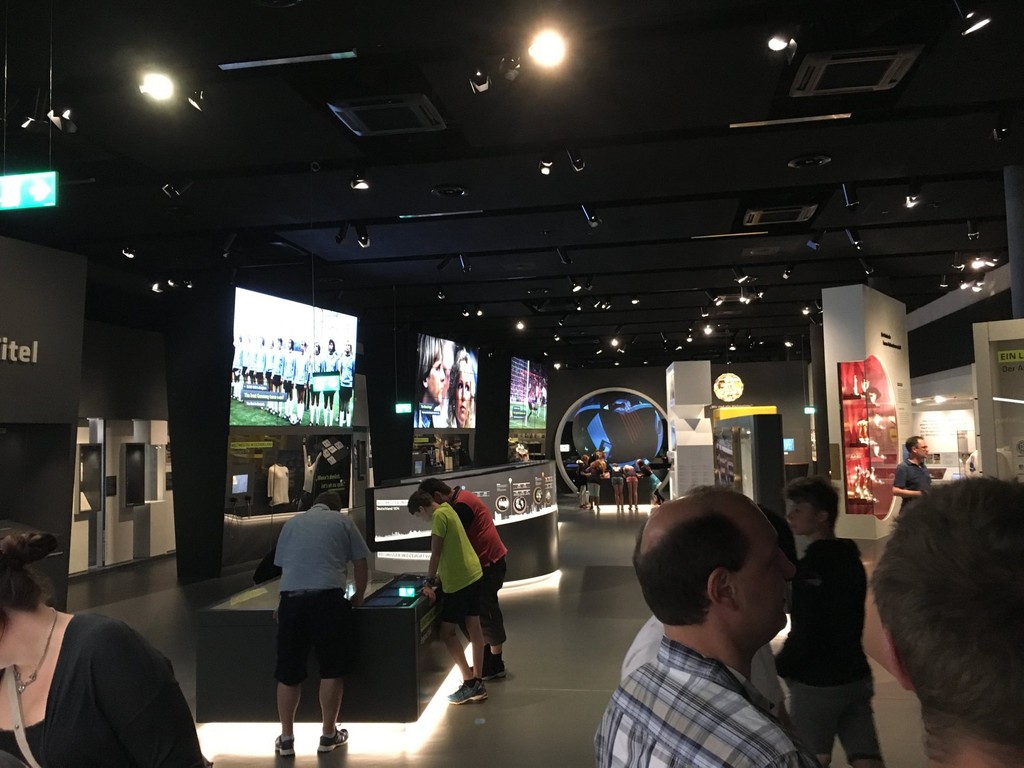
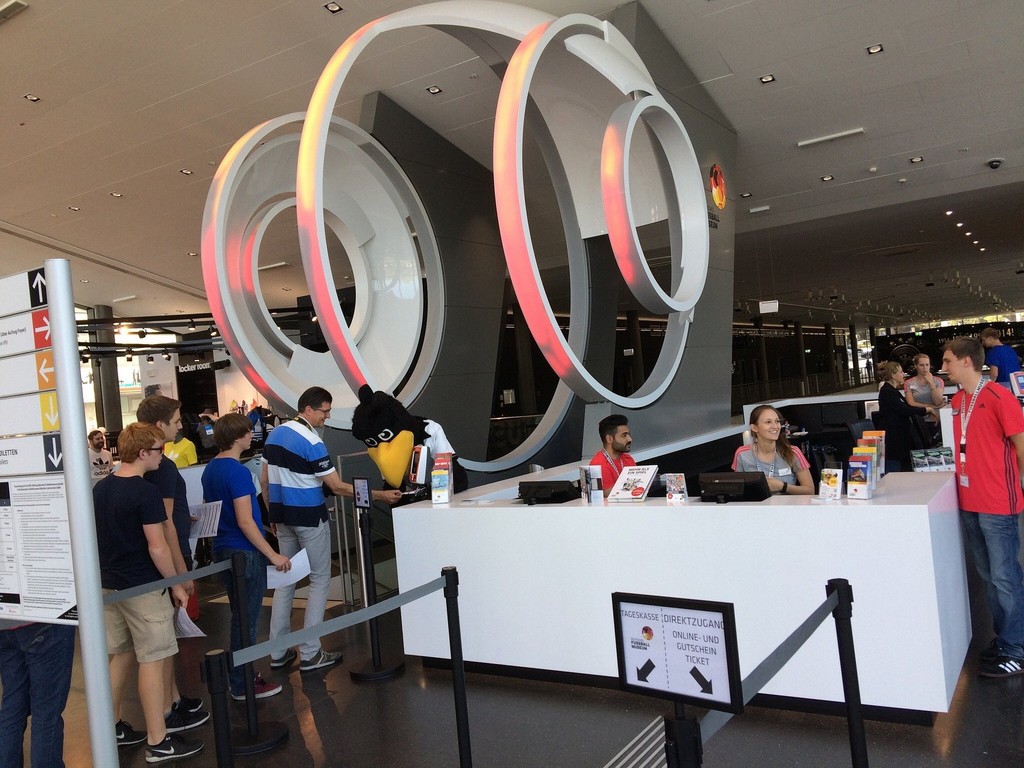
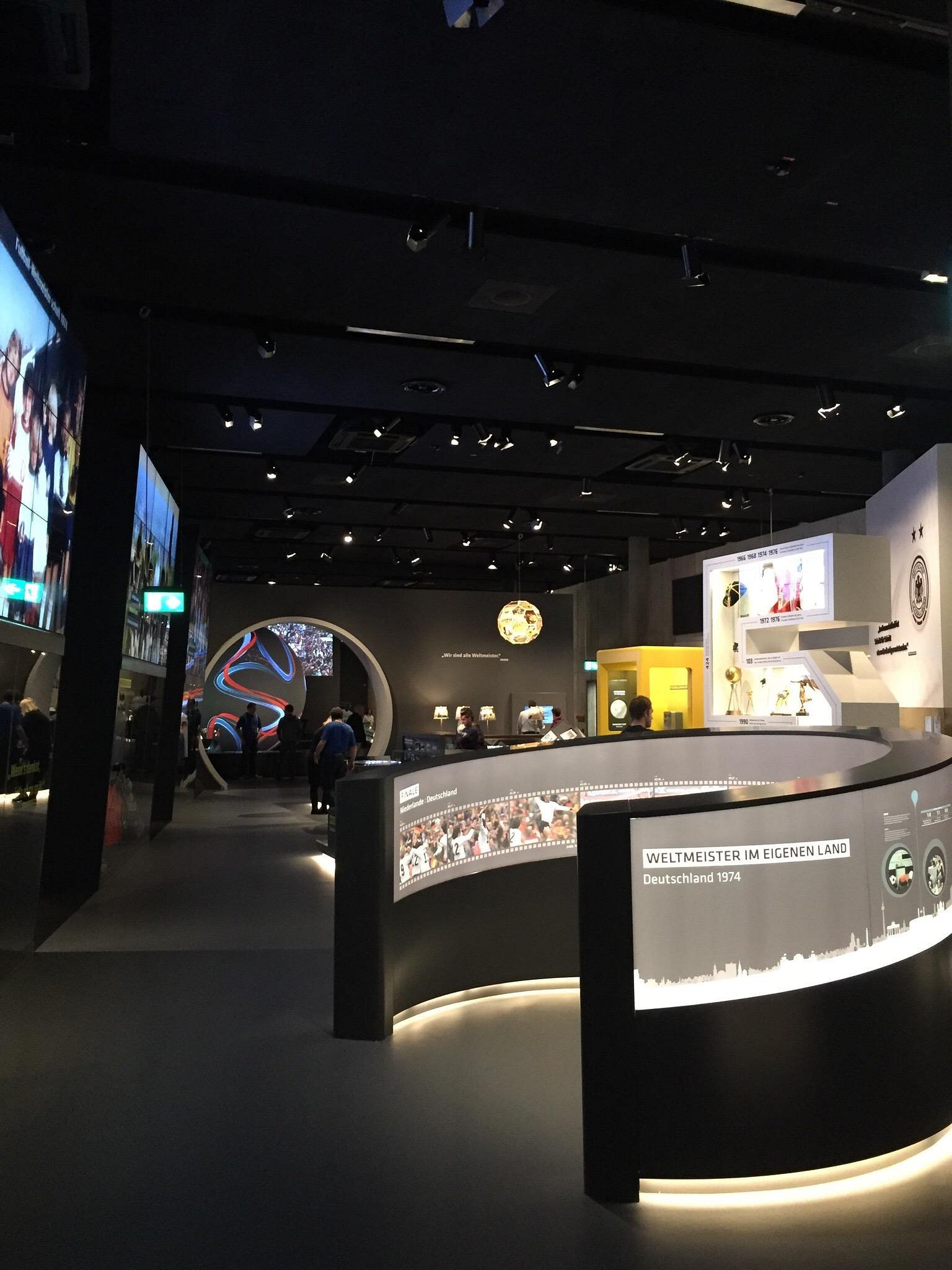
On-site research, involving real visitors and key focus groups, including children.
RESEARCH
To achieve our goal, we adopted a data-driven approach
Our goal was to identify the specific pain points in the visitor journey and propose actionable design solutions to make the experience smoother, more engaging, and better tailored to different audience segments, including children. This required a detailed understanding of user behavior and preferences
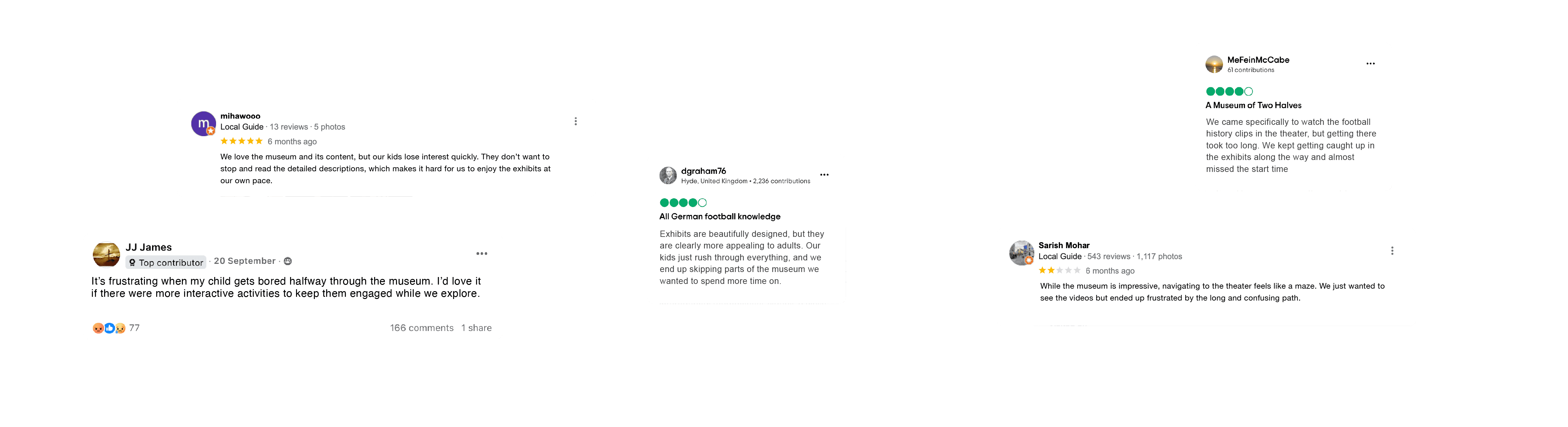
Problem 1. Children not reading all exhibits
DESIGN PROCESS
2
1
On-Site Observations:
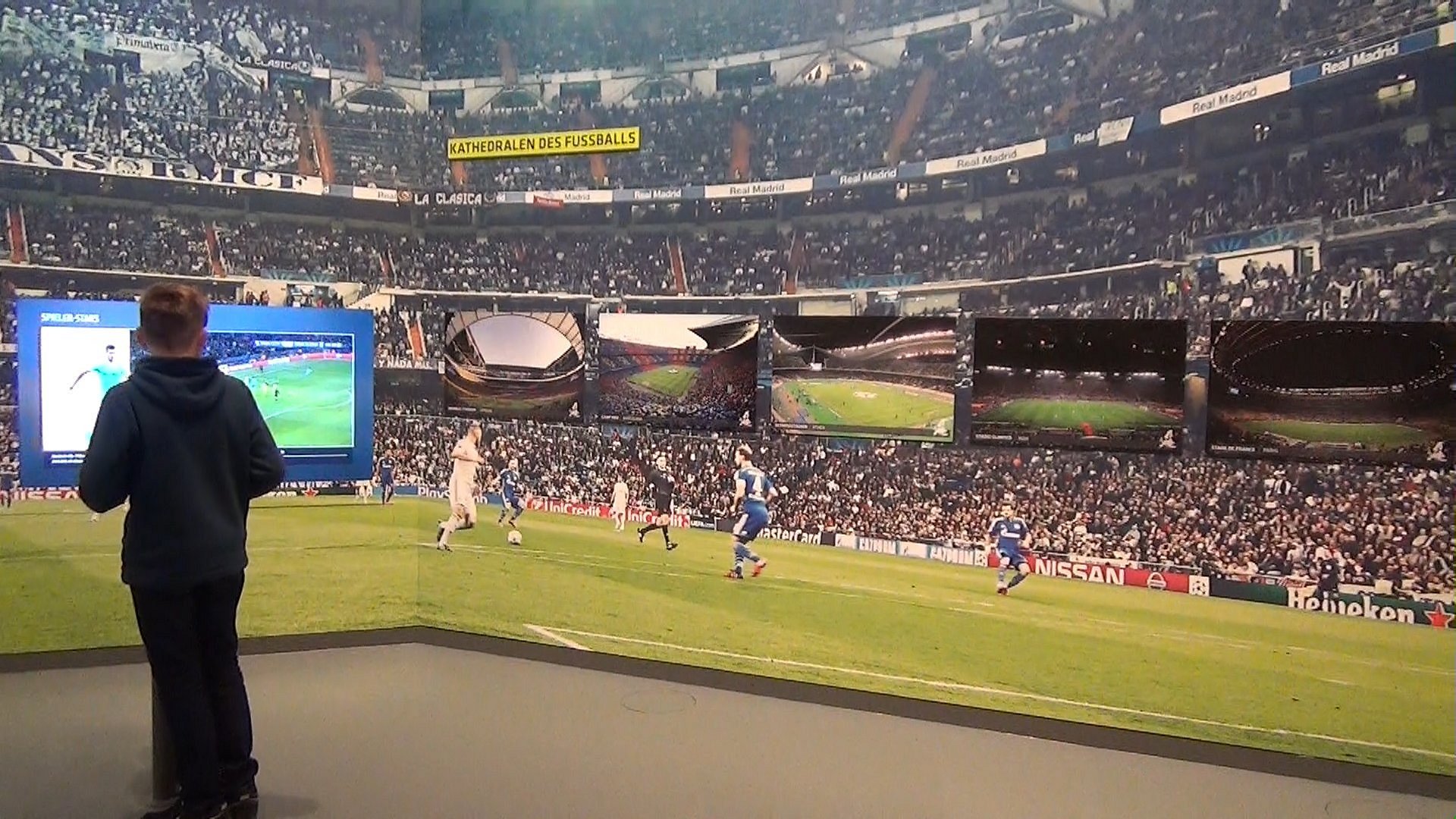
-We visited museum and conducted comprehensive walkthroughs of the exhibits to immerse ourselves in the visitor experience.
-The team documented every interaction point, noting how visitors of different age groups engaged with text-heavy stations, multimedia displays, and interactive elements.
Visitor Feedback Collection:
We created detailed questionnaires for visitors and team members. These included both quantitative (e.g., rating scales) and qualitative (e.g., open-ended questions) metrics.
To capture insights from children a key audience for the museum. We organized small focus groups where kids were invited to share their thoughts through short interviews and fun surveys.
4
3
User Journey Mapping:
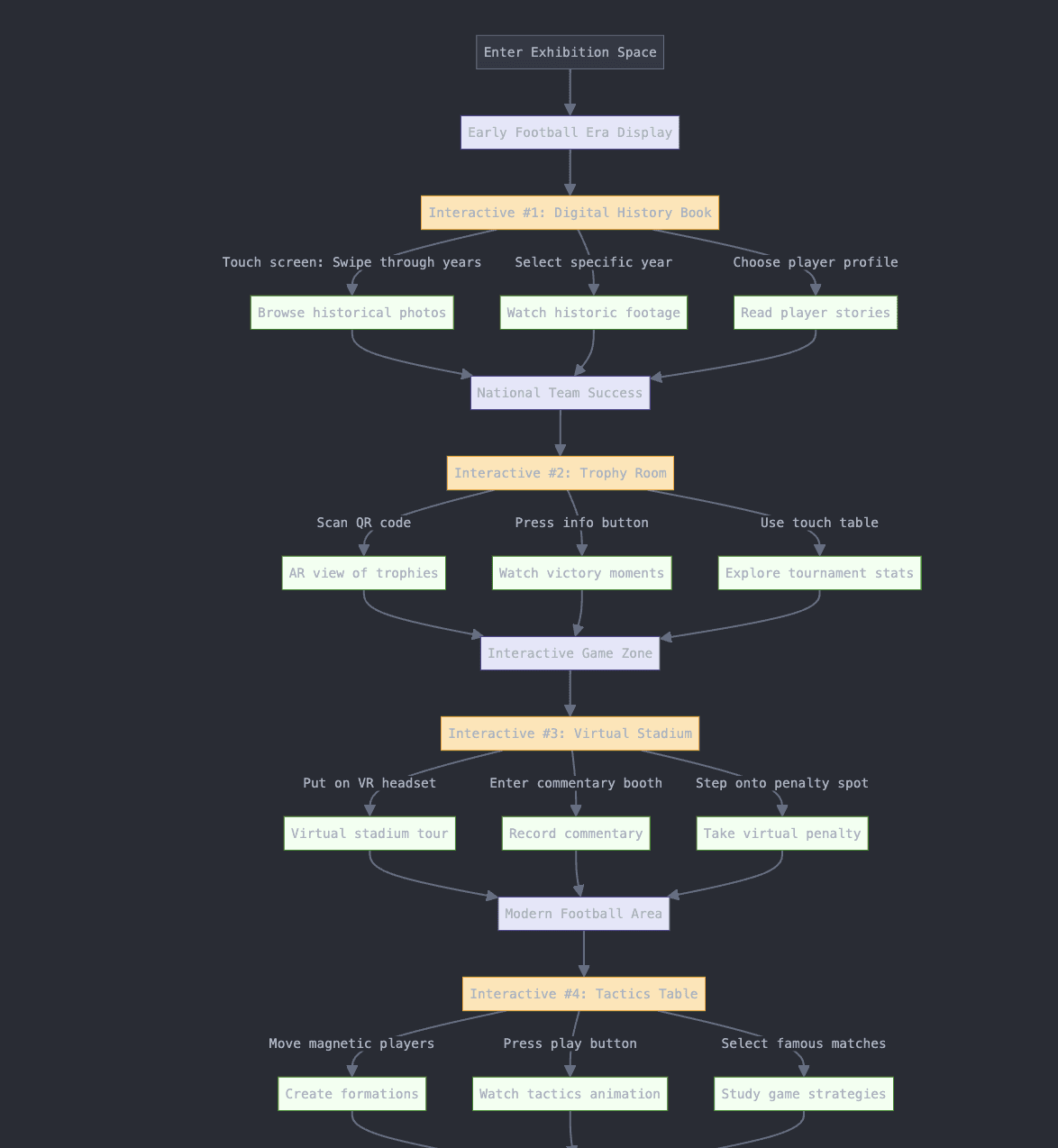
Based on the collected data, we mapped the complete visitor journey through the museum, identifying areas where engagement dropped or visitors seemed confused.
For example, children moved quickly through areas with long textual explanations, while adults engaged more deeply with these spaces.
Analysis and Ideation:
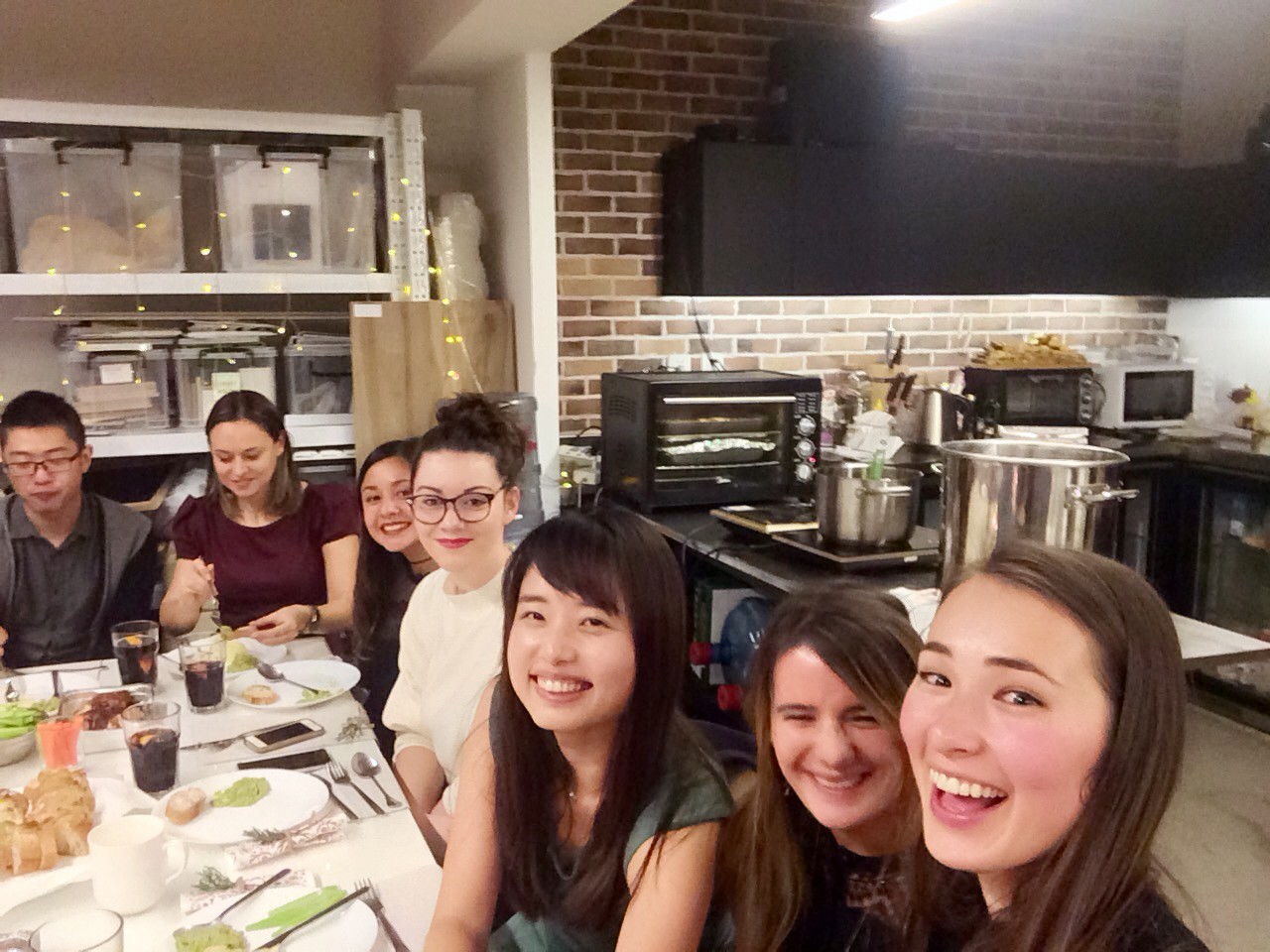
After consolidating all the data, we conducted brainstorming sessions to propose specific solutions addressing these pain points.
We used SCAMPER to brainstorm changes and alternatives ideas and designs desigions
We observed and mapped the visitor journey, noting different behaviors between children and adults
Solution 1.
To address this, we introduced interactive touch-screen games at key stations. These included simple football-themed activities, such as a "finger ball" game where kids can dribble and score on-screen. This allowed parents to take their time reading and observing exhibits while their children were engaged in playful learning.
Problem 2. Navigating to the movie theater
Solution 2.
We created an alternative museum map, similar to an IKEA-style shortcut, guiding visitors directly to the theater. This streamlined route ensured that guests interested primarily in the theater experience could find their way quickly without feeling overwhelmed by the entire exhibit flow. This also helped reduce congestion in other parts of the museum
RESULTS
Kids and families spent more time at previously underperforming stations, with interaction time increasing by an average of 15-20%.
Transforming static graphic projections into interactive touch tables to increase engagement for younger visitors.
Adding audio storytelling and ambient sounds to enrich the sensory experience.
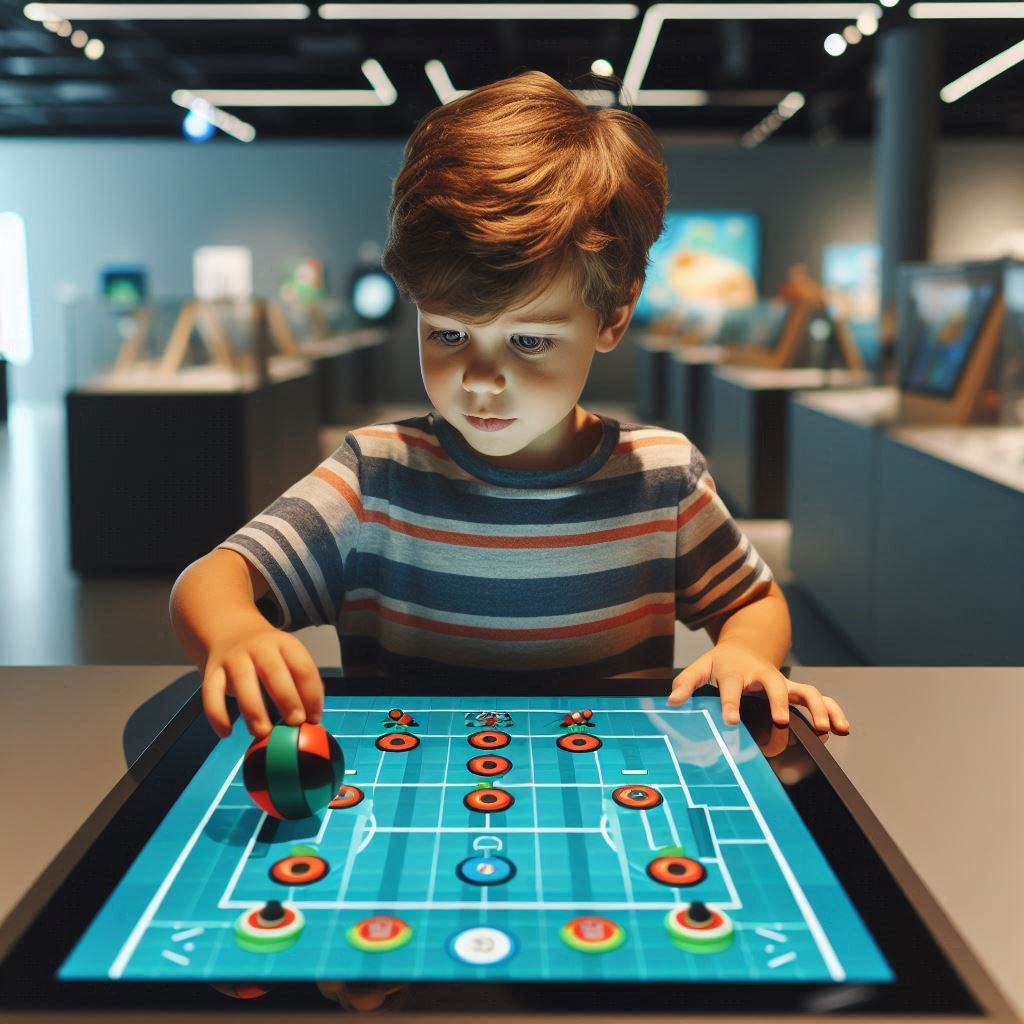
Each game was directly connected to the actual exhibit it accompanied, reinforcing the exhibit’s theme and providing an interactive layer of engagement. For example, near an exhibit about famous football moments, kids could play a game where they reenacted iconic goals by dragging and shooting a virtual ball.